Hydro Jetting in Charleston, SC
A Clogged Drain in Charleston, SC can turn a normal day into a stressful one—standing water in the shower, a kitchen sink that won’t drain, or that “something’s not right” gurgling sound from the pipes. When it happens, we’re ready to help with the same friendly, local service our Lowcountry neighbors have counted on for decades. We’re Roto-Rooter of Charleston, locally owned and operated, and we handle drain problems every day—quickly, cleanly, and with clear communication.
What to do first when you have a clogged drain
If you have a Clogged Drain in Charleston, SC, the best first step is to stop running water to prevent overflow, then try a simple, safe fix like removing visible debris or using a plunger. If the drain is still slow, multiple fixtures are backing up, or you notice odors/gurgling, call a professional—those signs can point to a deeper blockage in the line that needs proper tools like a camera inspection or professional drain cleaning.
Why clogged drains feel like emergencies (because they often are)
A clogged drain isn’t just inconvenient—it can quickly become a bigger issue:
- Overflow and water damage (especially around sinks, toilets, tubs, and laundry areas)
- Unpleasant odors from trapped buildup
- Recurring clogs that keep coming back because the root cause wasn’t removed
- System-wide backups when the main line is involved
We take these calls seriously because a small problem can turn into a costly mess if it’s ignored—especially when issues involve kitchen plumbing components like repairing a alfunctioning garbage disposal in Charleston, SC.
Signs you may have more than a “simple” clog
Some clogs are right near the drain opening and clear quickly. Others are deeper in the system. Here are the red flags we listen for when customers call us:
Slow draining that keeps getting worse
If water drains slowly for days (or weeks), that usually means buildup is forming inside the pipe—not just one item stuck at the top.
Gurgling sounds or “bubbling” drains
Gurgling often means air is trapped behind a blockage. It’s a common sign that the clog is deeper in the line.
Bad smells are coming from the drains.
Odors can come from grease, food, soap scum, or other organic material sitting in the pipe.
Multiple drains are backing up at once
If the tub, toilet, and sink are all acting up, that’s often a sign of a main line issue—not a single fixture clog.
Common causes of a clogged drain in Charleston-area homes
Every home is different, but we see certain patterns all the time in the Lowcountry. These are some of the most common causes behind a Clogged Drain in Charleston, SC:
Kitchen drain clogs
Kitchen lines deal with a lot:
- Grease and cooking oils that cool and harden inside pipes
- Food particles and starches that cling to the buildup
- Soap and detergent residue that traps debris over time
Bathroom drain clogs
Bathroom clogs are often caused by:
- Hair buildup in the shower and tub drains
- Soap scum and product residue
- “Flushable” wipes (which often don’t break down like toilet paper)
Main line clogs
A main line clog can be triggered by:
- Heavy buildup and years of accumulation
- Shifting or aging pipes
- Tree root intrusion (a common issue in many established neighborhoods)
When a clog keeps returning, we typically recommend a more thorough diagnosis—because removing symptoms isn’t the same as solving the problem.
Safe steps you can try before you call us.
We’re all for simple, safe first steps—especially if the clog is minor. Here’s what we generally recommend homeowners try (without risking damage):
- Stop using water at that fixture to prevent overflow
- Check for visible debris near the drain opening and remove what you can
- Use a plunger (especially effective for many sink, tub, and toilet clogs)
- Avoid “mixing chemicals” or trying aggressive products repeatedly—those can create hazards and sometimes damage plumbing.
If the drain still won’t clear, or it clears temporarily and clogs again soon, it’s usually time for a professional approach.


When it’s time to call a professional plumber for a clogged drain
We typically recommend calling for service when:
- The clog is recurring
- You have multiple slow drains or backups.
- You smell sewage odor.
- You’ve tried basic steps, ps and nothing has changed.
- Water is backing up into tubs, showers, or the floor drain.
That’s when we bring the right equipment and experience to find the blockage and remove it fully—without guessing.
Our solutions for a clogged drain
When you call Roto-Rooter of Charleston, we don’t just “poke at the problem.” We match the solution to what’s actually happening in your line.
Professional drain cleaning
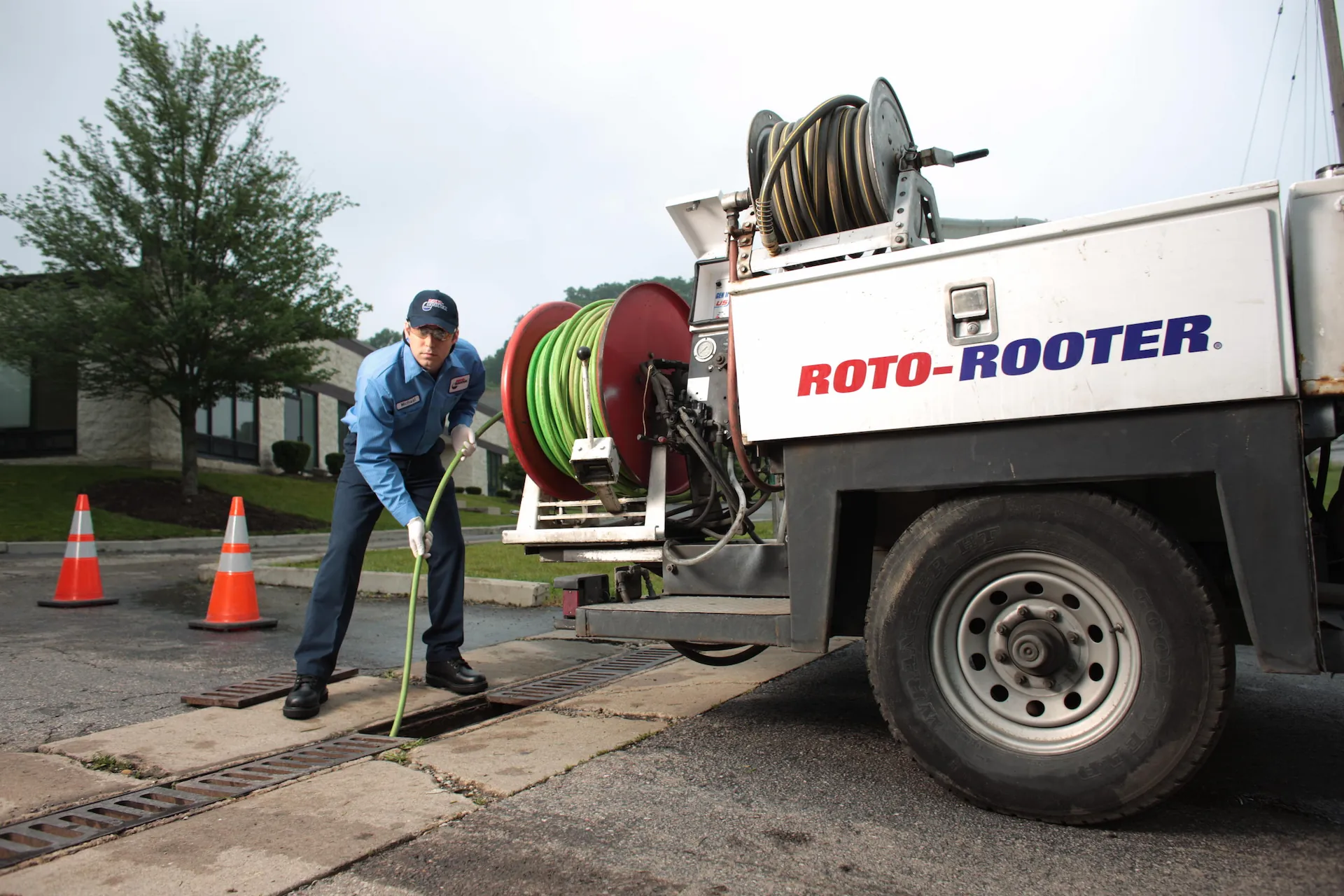
For many clogs, professional drain cleaning clears the blockage and restores proper flow. This is one of our core services.
Drain camera inspection
If you’re dealing with repeat clogs or you suspect a deeper issue, a camera inspection can be the fastest way to stop guessing. We use drain camera inspections to see what’s inside the pipe—buildup, offsets, roots, or other obstructions—so we can recommend the right fix.
High-pressure hydro jetting
Some blockages aren’t just a “clog”—they’re thick buildup coating the inside of the pipe. High-pressure hydro jetting is designed to scour the line more thoroughly than basic methods when conditions call for it.
Trenchless pipe bursting (for certain line problems)
If a line is failing or severely compromised, we offer trenchless pipe bursting as an option for specific situations—helping replace damaged piping with less disruption than traditional excavation in many cases.
24/7 emergency service
Drain backups don’t wait for business hours. We provide 24/7 emergency service for urgent plumbing and drain situations.
What you can expect when you hire us
We’ve built our reputation by showing up, communicating clearly, and treating customers the way we’d want our own family treated.
- Locally owned and operated in the Lowcountry
- Help for residential plumbing and drain needs—including drains, sinks, toilets, tubs, and more
- Online scheduling available (with helpful guidance on how requests are handled)
We also offer a free estimate (note: mileage fees may apply).
Financing options when the fix can’t wait
Sometimes a clogged drain reveals a bigger issue—especially if there’s a damaged section of pipe or a stubborn main line problem. We offer financing through Wisetack so you can explore payment options when you need a repair sooner rather than later.
People Also Ask: Clogged drain questions we hear every day
How do I know if my clog is in the main sewer line?
If multiple drains are backing up (for example: toilet + tub + sink), or you’re seeing backups in the lowest drains of the home, it may point to a main line issue. A professional inspection is the safest way to confirm.
Why does my shower drain keep clogging?
Recurring shower clogs are often caused by hair and product residue building up over time. If it returns quickly after you clear it, there’s likely buildup further down the line that needs professional cleaning.
Is it safe to use chemical drain cleaners?
We recommend caution. Some chemical cleaners can create hazards and may not solve the underlying issue—especially if the blockage is heavy buildup or deeper in the line. If you’ve tried a safe first step and the clog remains, it’s usually better to have us diagnose it properly.
How much does it cost to fix a clogged drain?
Pricing varies based on where the clog is, how severe it is, and what method is needed to clear it. The good news: we can help you understand your options and provide an estimate. (We note on our site that we offer a free estimate, and mileage fees may apply.)
What’s the best way to prevent clogs long-term?
A few simple habits help a lot:
- Don’t pour grease or oil down the kitchen drain
- Use drain screens in showers and sinks.
- Avoid flushing wipes or hygiene products
Schedule professional help if slow drains become a pattern—catching buildup early is easier than dealing with a backup later.